Visual vs. Mixing Color Wheel
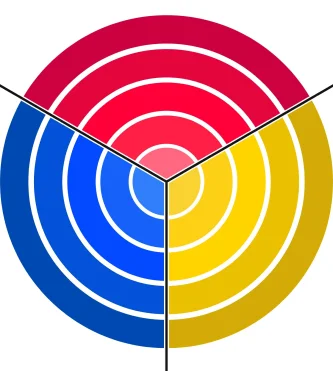
Mixing (red-yellow-blue) color wheel
Traditionally, artists used a color wheel composed of the primary colors red, yellow, and blue. Currently, the mixing color wheel is commonly accepted as a visual representation of color theory. This color wheel was invented by Johannes Itten, a Swiss color and art theorist. According to Itten, the primary use of his color wheel is for mixing pigments. However, many artists use this color wheel to create visually harmonious color combinations.
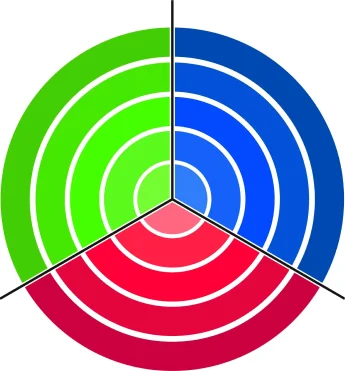
Visual (red-green-blue) color wheel:
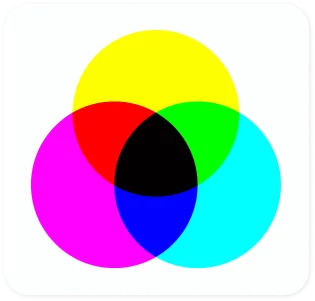
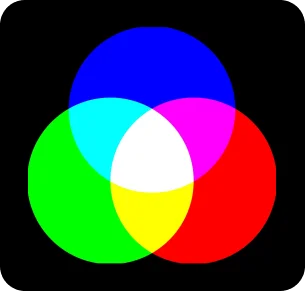
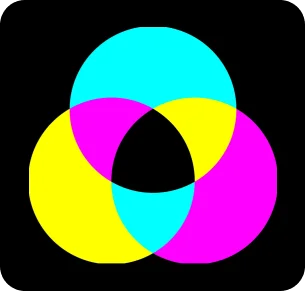
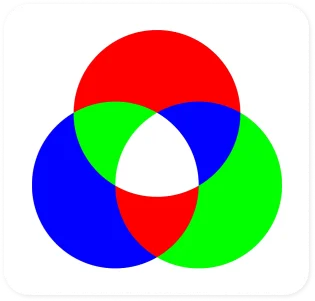
As opposed to the mixing version of the color wheel, the visual color wheel is based on the primary colors red, green, and blue. The RGB primaries are used for computer monitors, cameras, scanners, etc. The secondary (subtractive) triad of the RGB wheel is CMY (cyan, magenta, yellow), which is a standard in printing. Also, the human eye contains RGB receptors. Because of this fact, many artists believe that the visual RGB color wheel should be used instead of the traditional RYB wheel to create visual complements.